
'/%3E%3C/svg%3E)


01
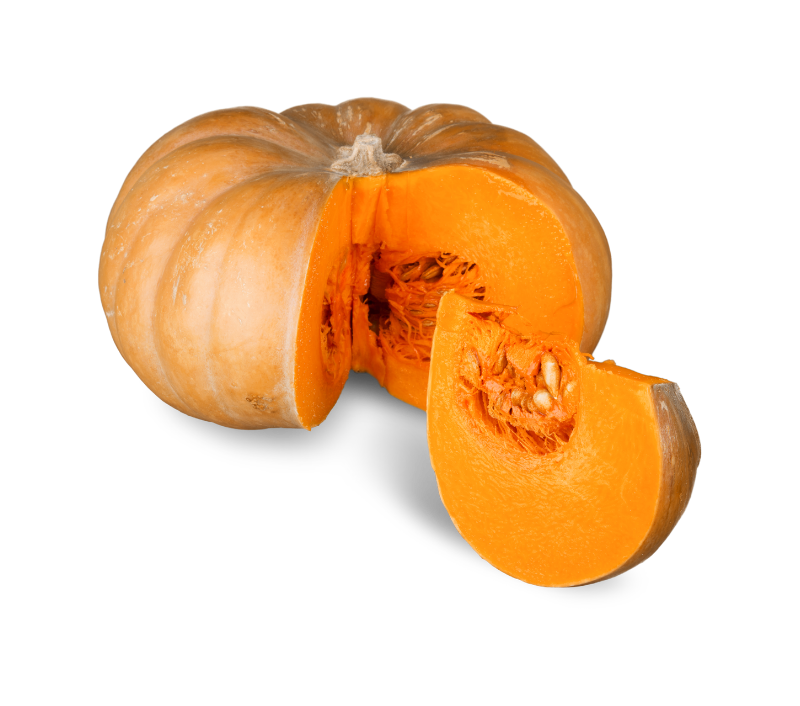
Pumpkin, leaves and seeds
- Health. Vitamin A, iron, calcium, fibre, healthy oils and protein for eyes, immunity and digestion.
- Climate. Fruit, seeds and leaves are all used, so more of the plant is eaten and less is wasted.
- Food. Cook the fruit in soups, porridge and juices; roast the seeds; eat the leaves as relish.
02
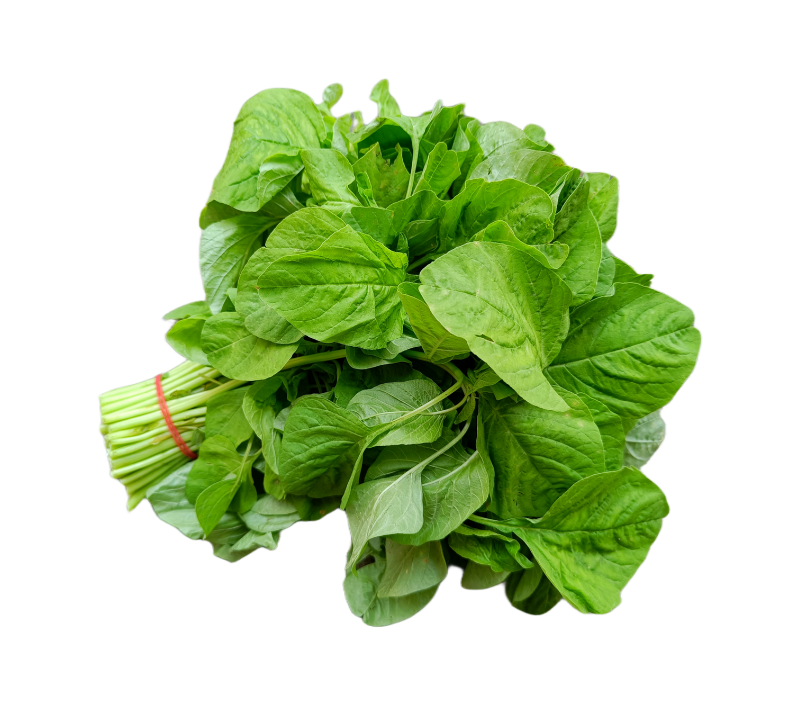
Amaranth Leaves and Grains
- Health. Nutrient-rich leaves and grains that add diversity to everyday meals.
- Climate. Drought-tolerant, with a long harvest window for small-scale farmers.
- Food. Eaten as a leafy vegetable and as a grain in porridge and local dishes.
03
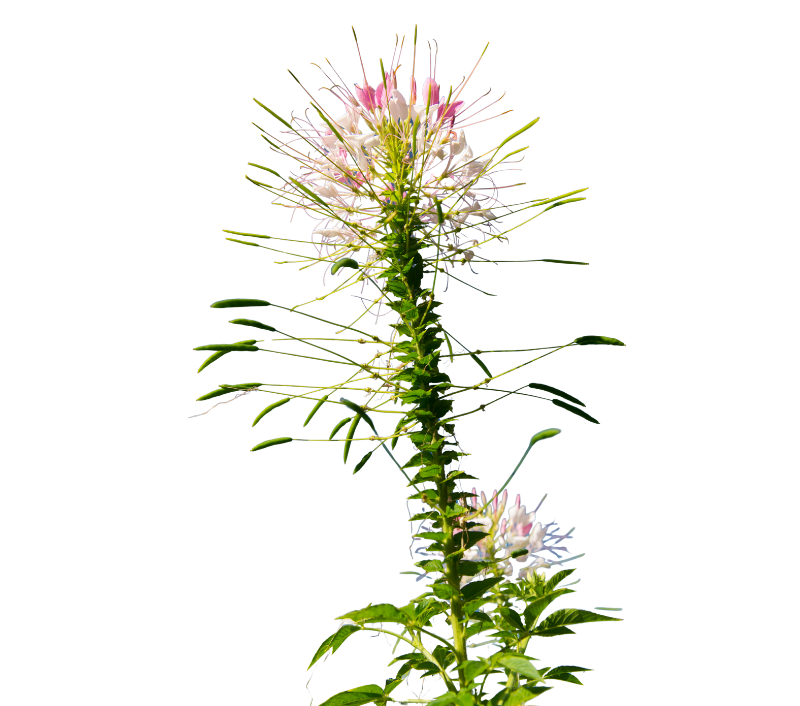
Spider plant
- Health. Protein, fibre, iron, folate, calcium and zinc for blood health, immunity and growth.
- Climate. A traditional leafy vegetable that still grows well in local gardens.
- Food. Cooked as relish or mixed with other household foods.
04
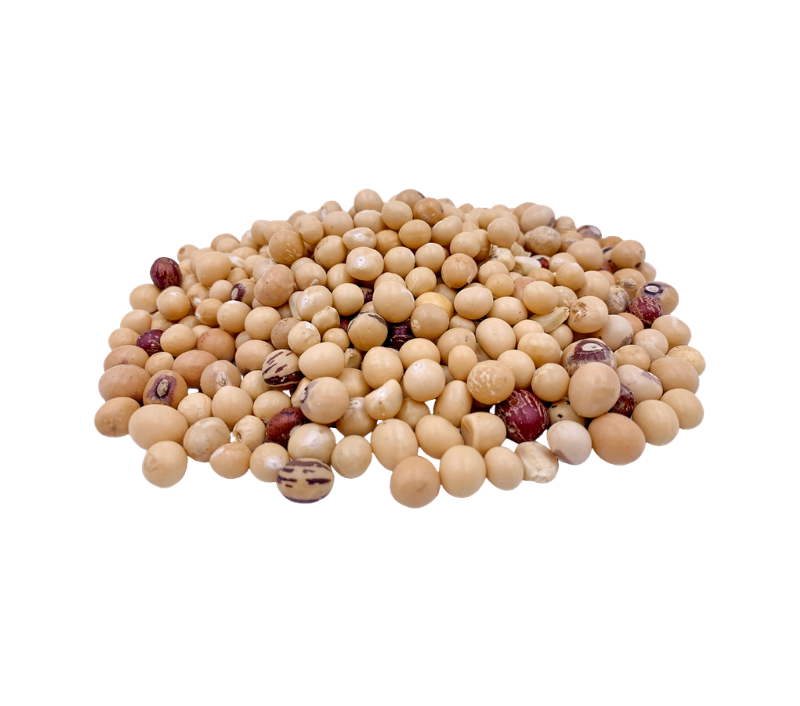
Bambara beans
- Health. A protein- and mineral-rich legume for stronger household diets.
- Climate. Drought- and pest-resistant; thrives where other crops struggle.
- Food. Africa’s resilient bean for everyday meals and local dishes.
05
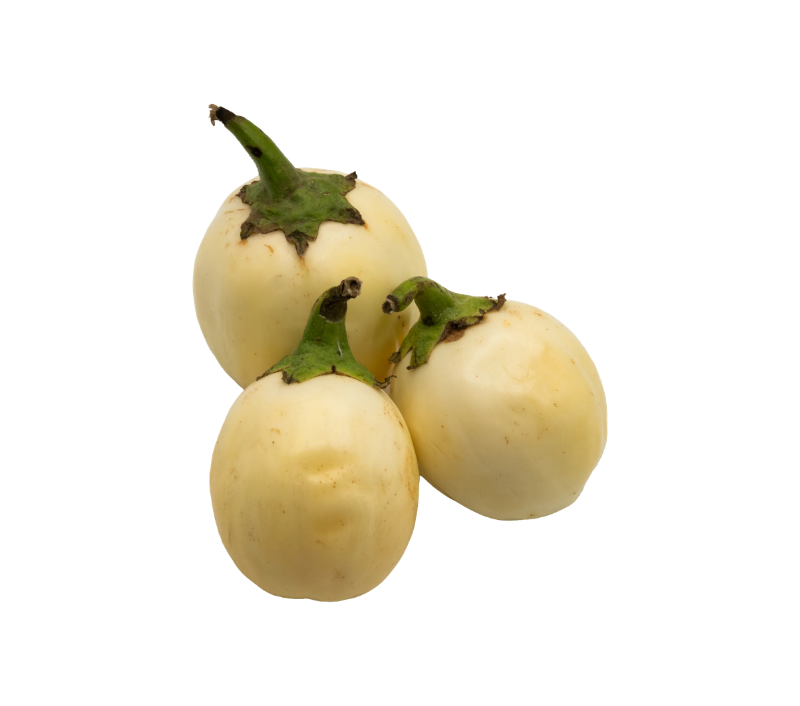
African eggplant
- Health. Fibre, vitamins, minerals and antioxidants for digestion, immunity and iron absorption.
- Climate. An affordable traditional vegetable suited to local farms.
- Food. Eaten raw like a fruit or cooked in soups, sauces and stews.
06
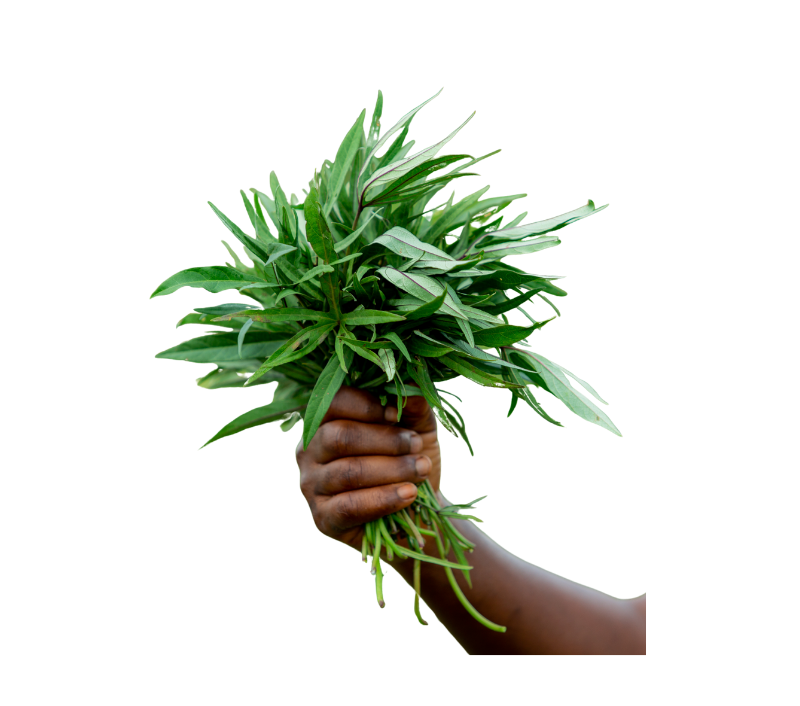
Sweet potato leaves
- Health. A leafy vegetable rich in vitamins and minerals for everyday nutrition.
- Climate. Grows readily in household plots with modest water and care.
- Food. Commonly cooked as part of family meals.
07
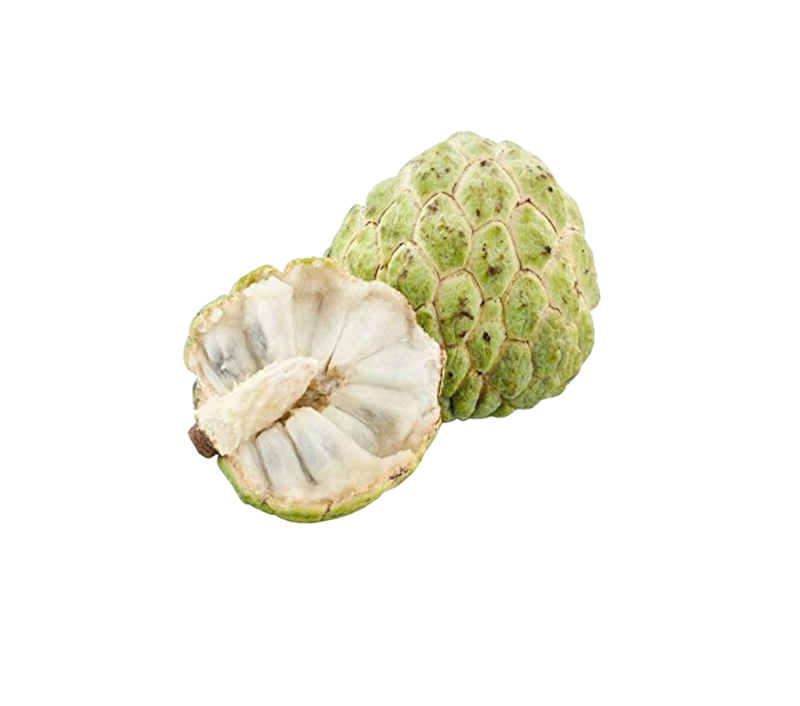
Sugar apple
- Health. A traditional fruit that supplies vitamins and minerals.
- Climate. A local fruit tree that supports dietary diversity.
- Food. Eaten fresh; also useful for household income.
08
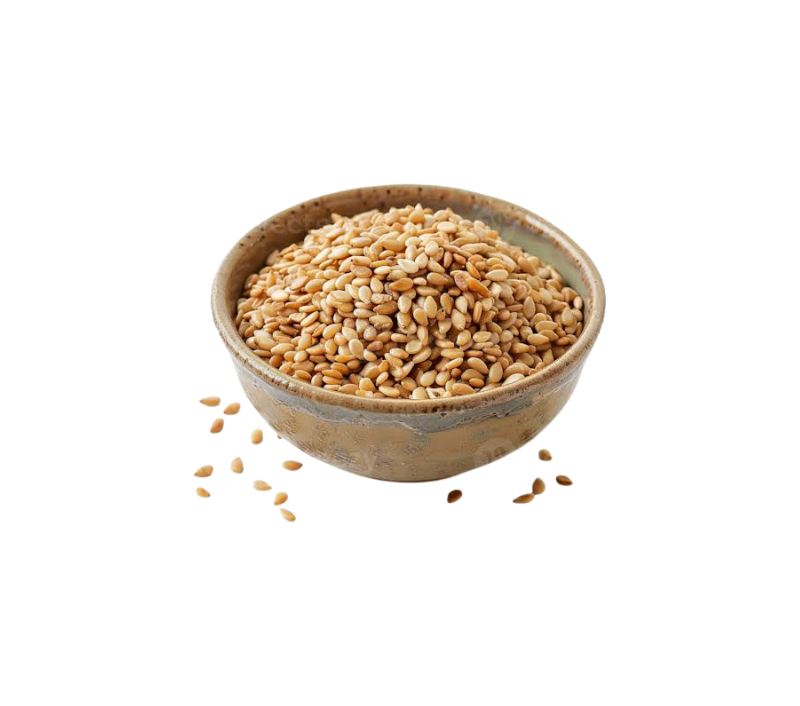
Sesame
- Health. Protein, healthy fats, fibre, calcium, iron and zinc for bones, blood, immunity and heart health.
- Climate. A traditional oilseed that copes with dry growing conditions.
- Food. Used in snacks, flour, porridge, cooking oil and sesame milk.
09
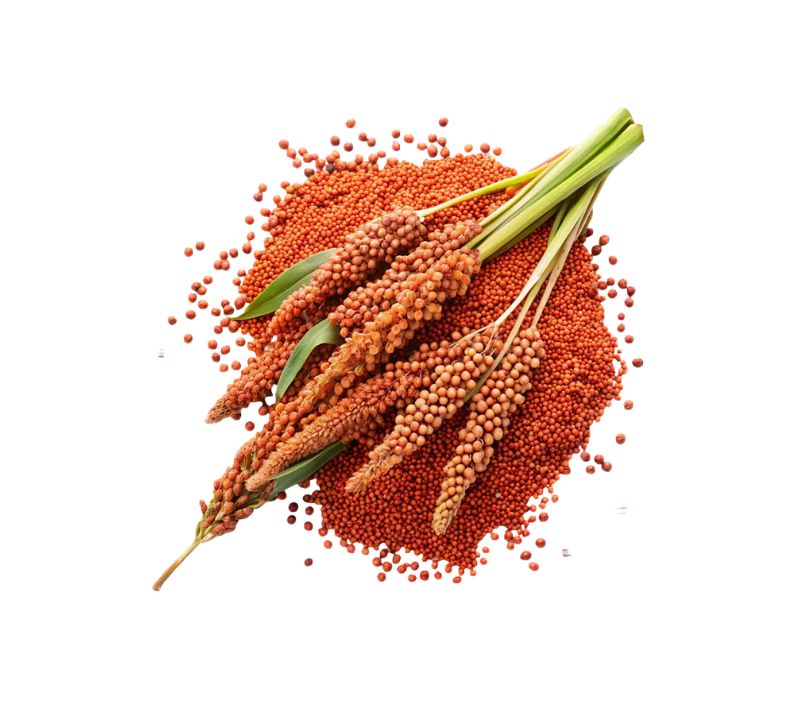
Finger millet
- Health. Calcium, iron and fibre, with slow energy release — useful for children and people managing diabetes.
- Climate. A traditional grain that supports household food security.
- Food. Eaten as a whole grain or milled for porridge, ugali and local foods.
10
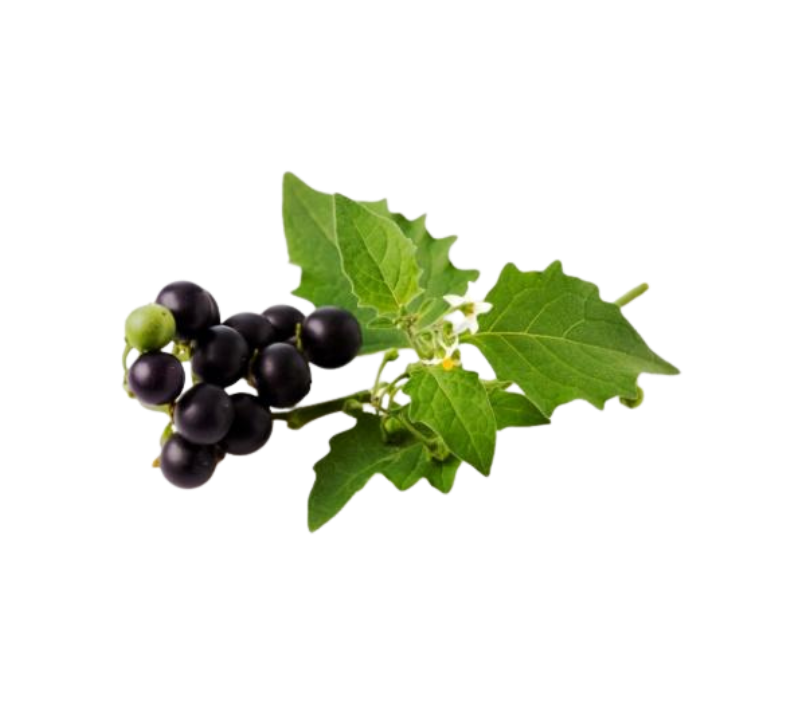
African nightshade
- Health. Iron, protein, vitamins and minerals for blood, bones, immunity and healthy growth.
- Climate. A traditional leafy vegetable for local gardens.
- Food. Cooked on its own or with okra, meat, eggplant, carrots and coconut milk.
11
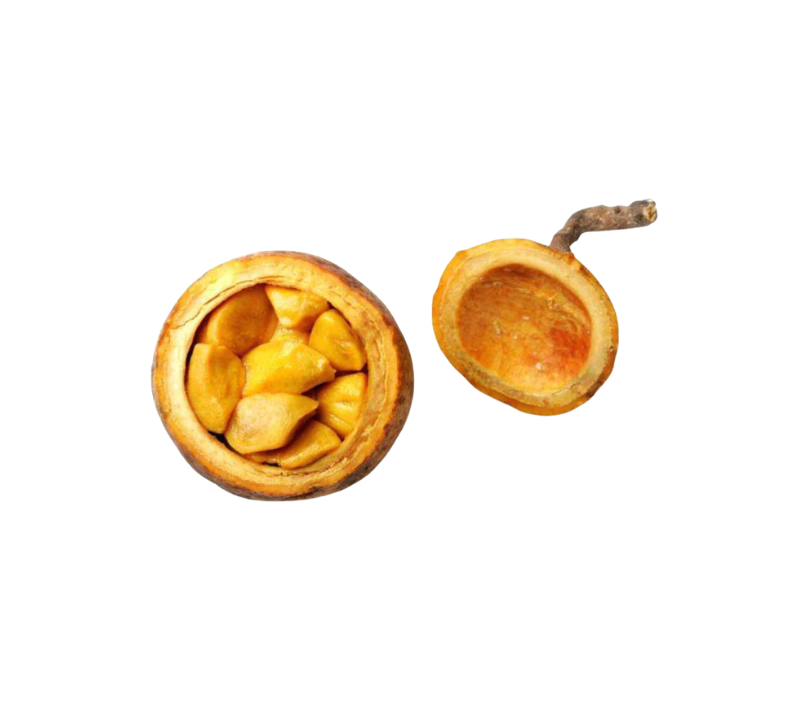
Bungo fruit
- Health. An indigenous fruit that adds vitamins and variety to local diets.
- Climate. A culturally rooted fruit tree adapted to Tanzanian landscapes.
- Food. Eaten locally and valued for dietary diversity.
12
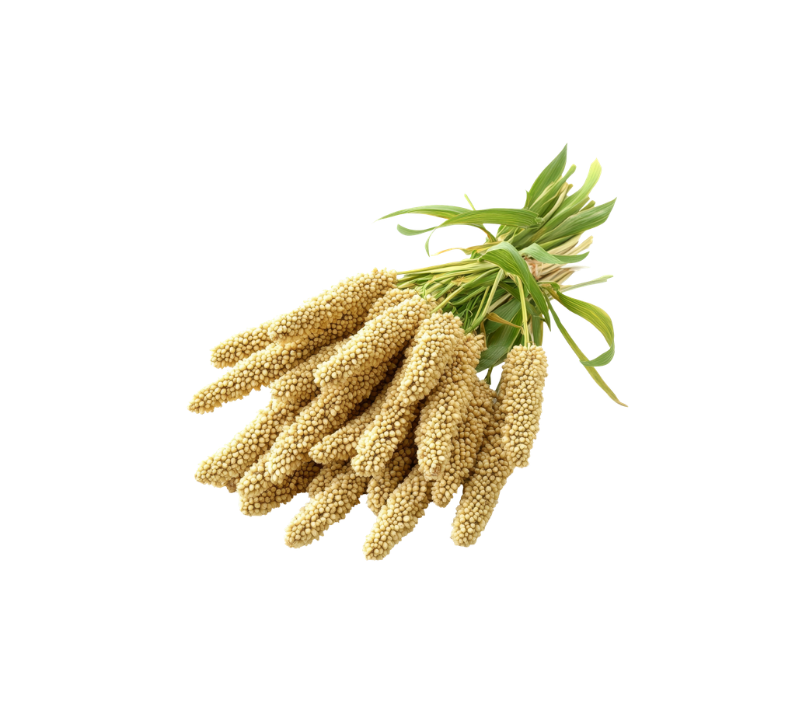
Pearl millet
- Health. Energy, fibre, iron and essential minerals for everyday meals.
- Climate. A hardy cereal for arid and semi-arid areas.
- Food. Eaten as porridge, ugali, or mixed with other flours.
13
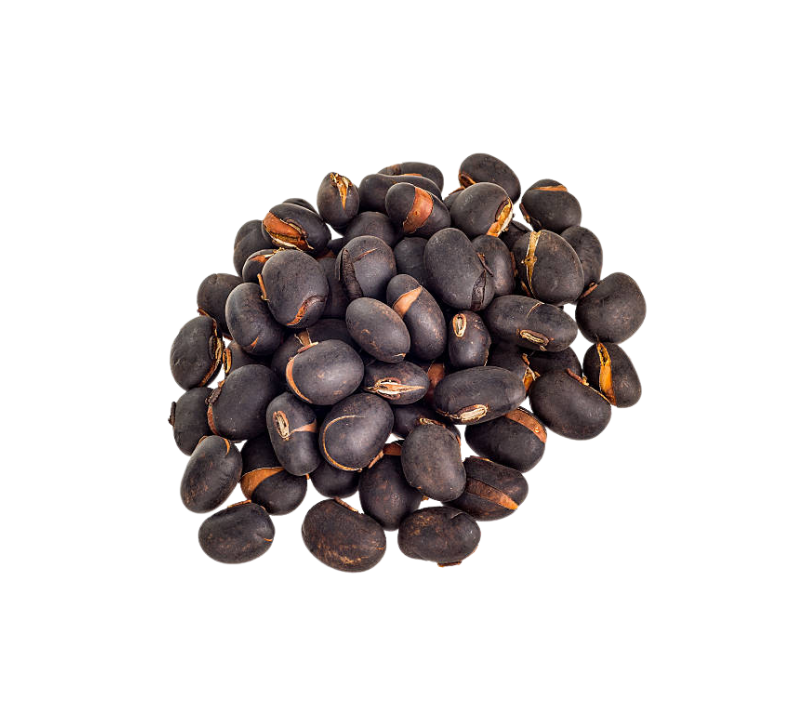
Velvet beans
- Health. Protein and energy when the beans are properly processed.
- Climate. Fixes nitrogen in the soil, supporting more resilient farming systems.
- Food. Used for food, soil improvement and animal feed.
14
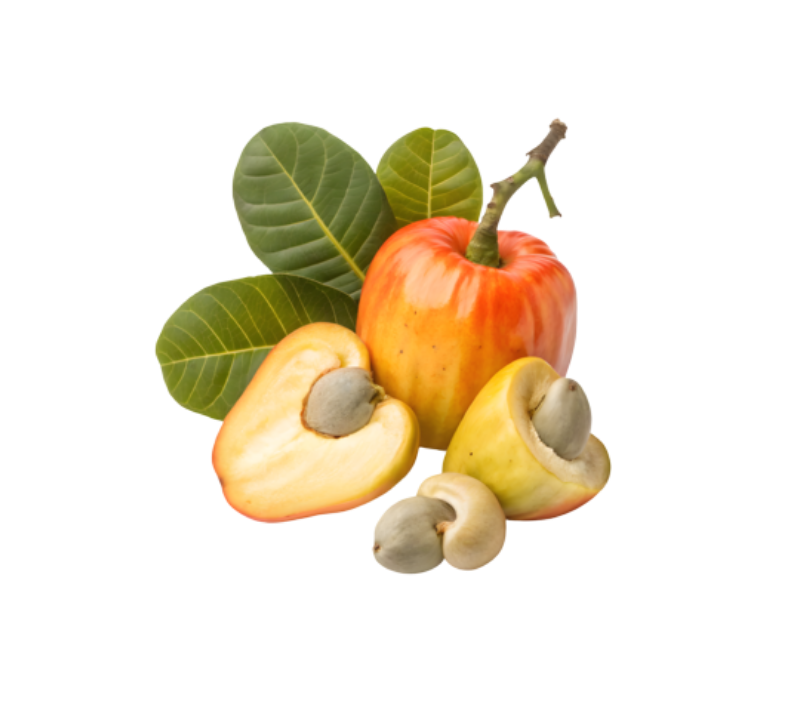
Cashew Apple
- Health. Vitamin C, antioxidants and natural sugars from an underused fruit.
- Climate. Makes use of fruit that already grows on cashew trees.
- Food. Eaten fresh or processed into juices, jams and dried products.
15
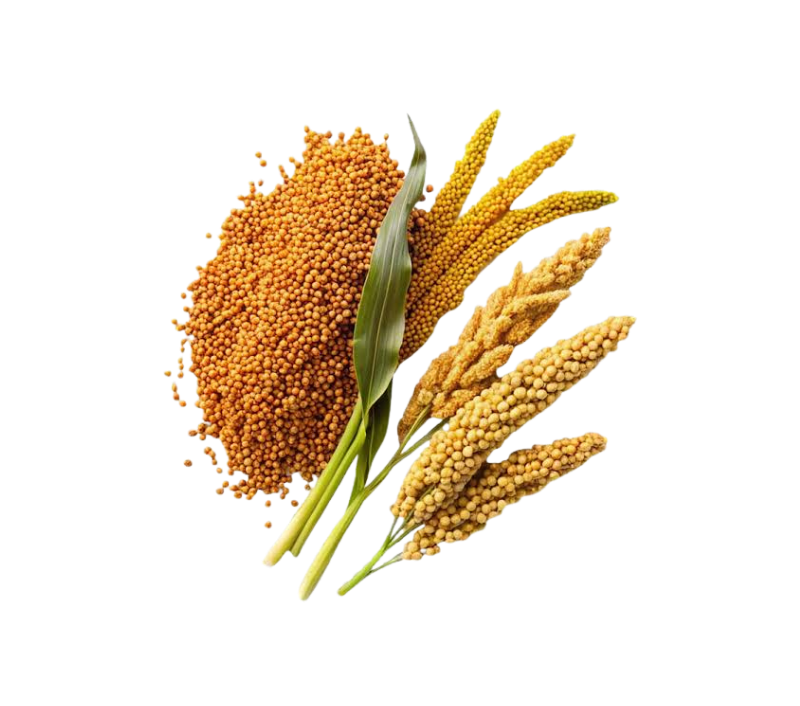
Sorghum
- Health. Energy, fibre, antioxidants, iron and zinc for digestion and lasting energy.
- Climate. Drought-tolerant cereal for dry areas, with low input needs.
- Food. Eaten as porridge, ugali, flatbreads or fermented foods.