'/%3E%3C/svg%3E)


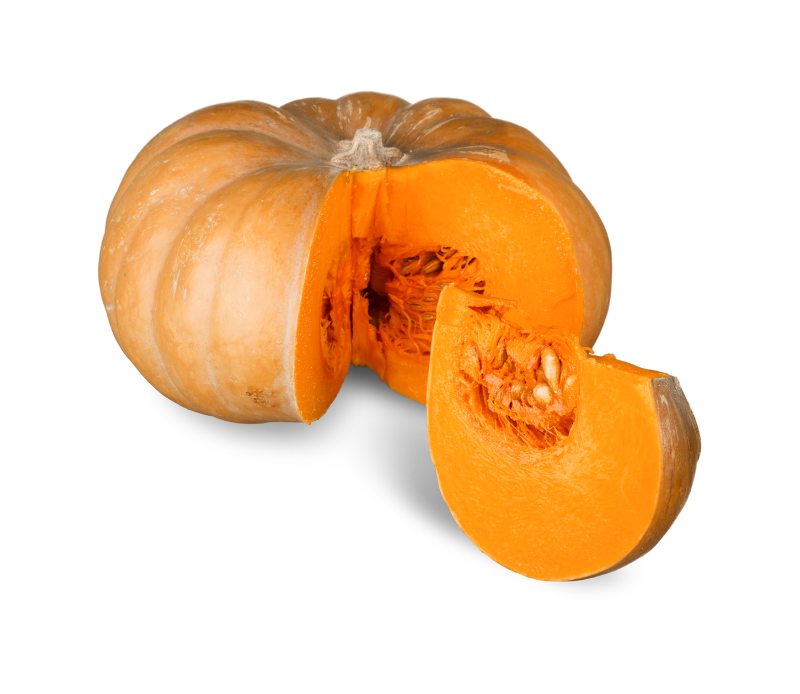
Pumpkin, leaves and seeds are highly nutritious and versatile food, where the fruit, seeds, and leaves can all be consumed. The pumpkin fruit can be prepared in soups, porridge, juices, and desserts; the seeds can be eaten roasted, added to porridge, or mixed into meals; and the leaves are cooked as a leafy vegetable or added to soups. Together, pumpkin parts provide important nutrients such as vitamin A, iron, calcium, fiber, healthy oils, and protein, supporting eye health, immunity, digestion, reproductive health, and the prevention of non-communicable diseases such as diabetes and heart disease.
Key benefits
- Health. Vitamin A, iron, calcium, fibre, healthy oils and protein for eyes, immunity and digestion.
- Climate. Fruit, seeds and leaves are all used, so more of the plant is eaten and less is wasted.
- Food. Cook the fruit in soups, porridge and juices; roast the seeds; eat the leaves as relish.