
'/%3E%3C/svg%3E)



Taste diversity. Discover the nourishing power of NUS.
NUS stands for Neglected and Underutilized Species. In Tanzania, these are traditional crops, fruits, and local foods that were once a regular part of everyday meals but have become less common as farming and food markets have focused on a few major staple crops.
Many of these foods are highly nutritious, providing important vitamins, minerals, and other nutrients that help support healthy and diverse diets. They are also often well adapted to local conditions and can grow even in challenging environments, making them valuable for climate resilience and food security.
These foods are deeply connected to Tanzania’s cultural heritage. They reflect the knowledge, traditions, and food practices of different communities across the country—from coastal areas to the highlands and rural farming regions. They are an important part of what makes Tanzanian food culture so rich and diverse.
NUS are also part of a forgotten food heritage, offering unique flavours and ingredients that have been enjoyed for generations. By bringing these foods back to our plates, Tanzania can celebrate its food diversity, preserve traditional knowledge, and reconnect with its culinary roots.

Climate Resilience

Heritage Preservation

Enhanced Nutrition

Diversified Livelihoods

Ecological Balance

Women Empowerment
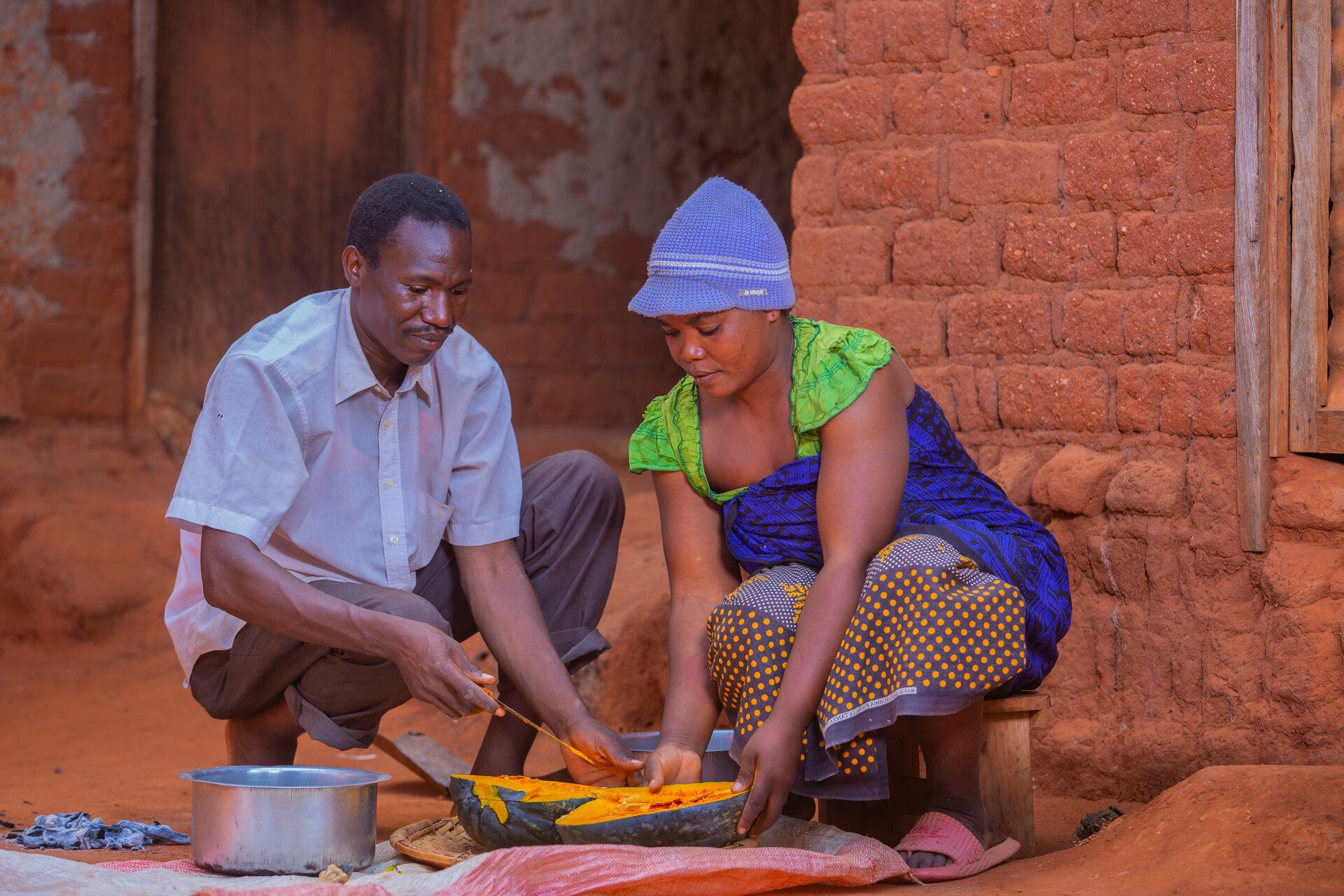
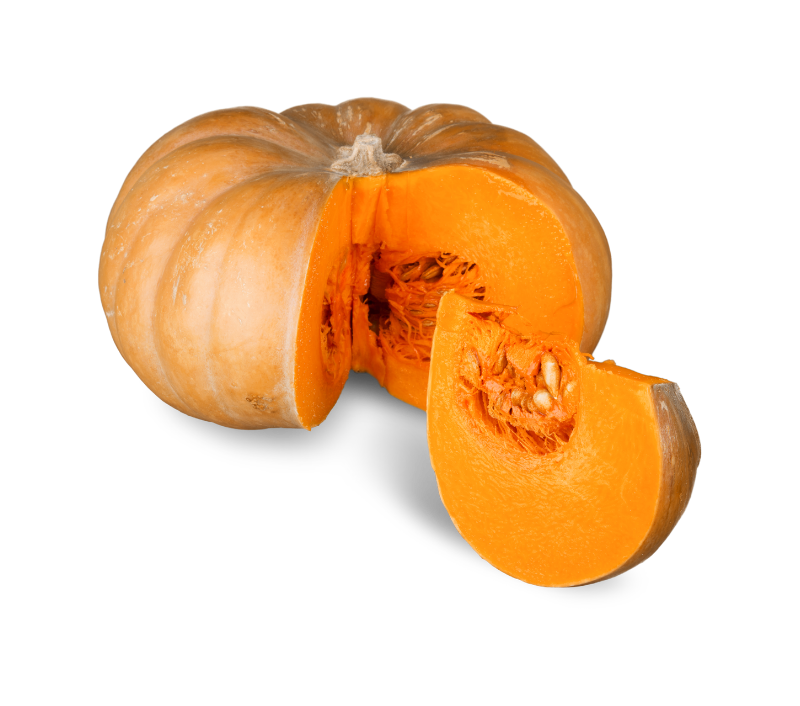
Pumpkin, leaves and seeds
- Health. Vitamin A, iron, calcium, fibre, healthy oils and protein for eyes, immunity and digestion.
- Climate. Fruit, seeds and leaves are all used, so more of the plant is eaten and less is wasted.
- Food. Cook the fruit in soups, porridge and juices; roast the seeds; eat the leaves as relish.
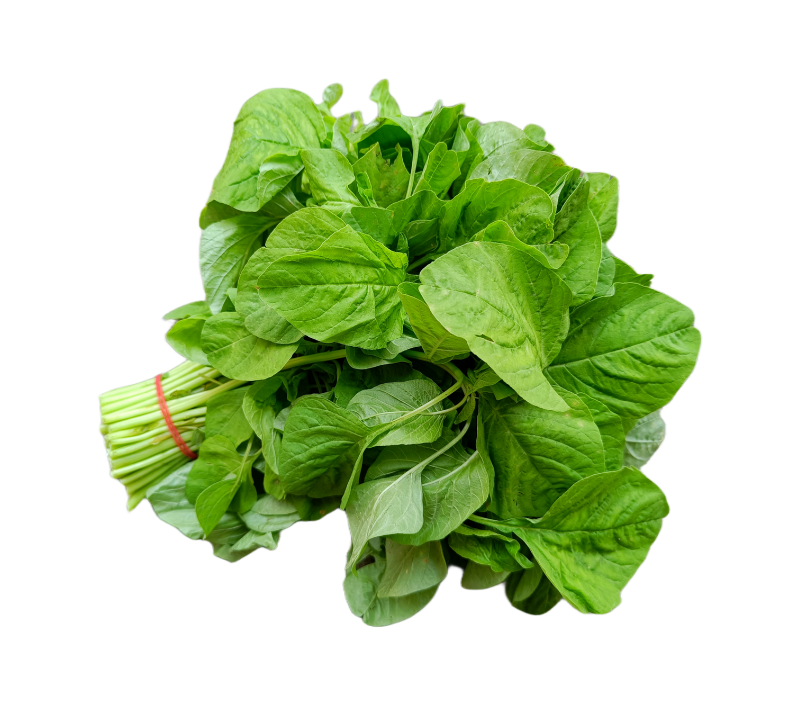
Amaranth Leaves and Grains
- Health. Nutrient-rich leaves and grains that add diversity to everyday meals.
- Climate. Drought-tolerant, with a long harvest window for small-scale farmers.
- Food. Eaten as a leafy vegetable and as a grain in porridge and local dishes.
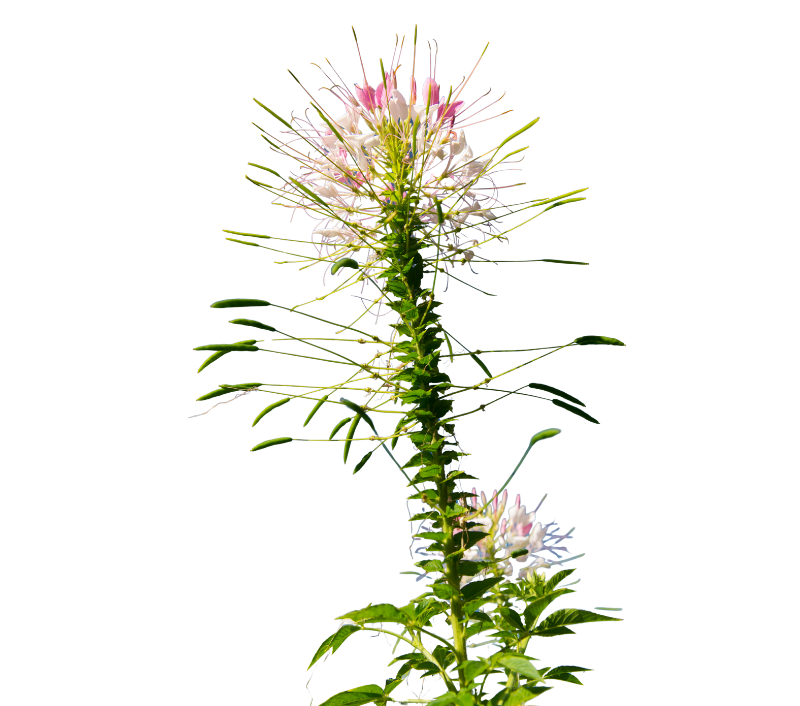
Spider plant
- Health. Protein, fibre, iron, folate, calcium and zinc for blood health, immunity and growth.
- Climate. A traditional leafy vegetable that still grows well in local gardens.
- Food. Cooked as relish or mixed with other household foods.
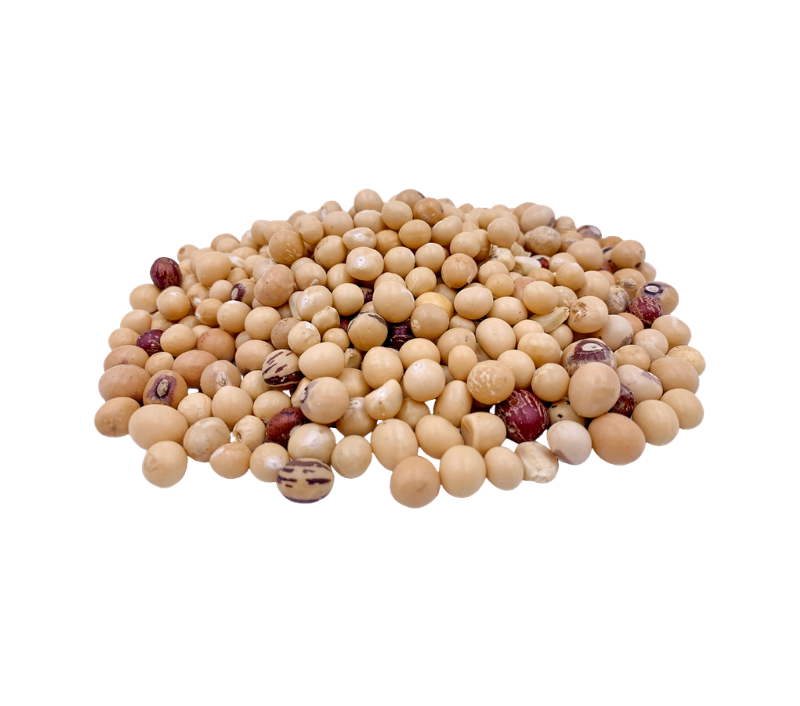
Bambara beans
- Health. A protein- and mineral-rich legume for stronger household diets.
- Climate. Drought- and pest-resistant; thrives where other crops struggle.
- Food. Africa’s resilient bean for everyday meals and local dishes.
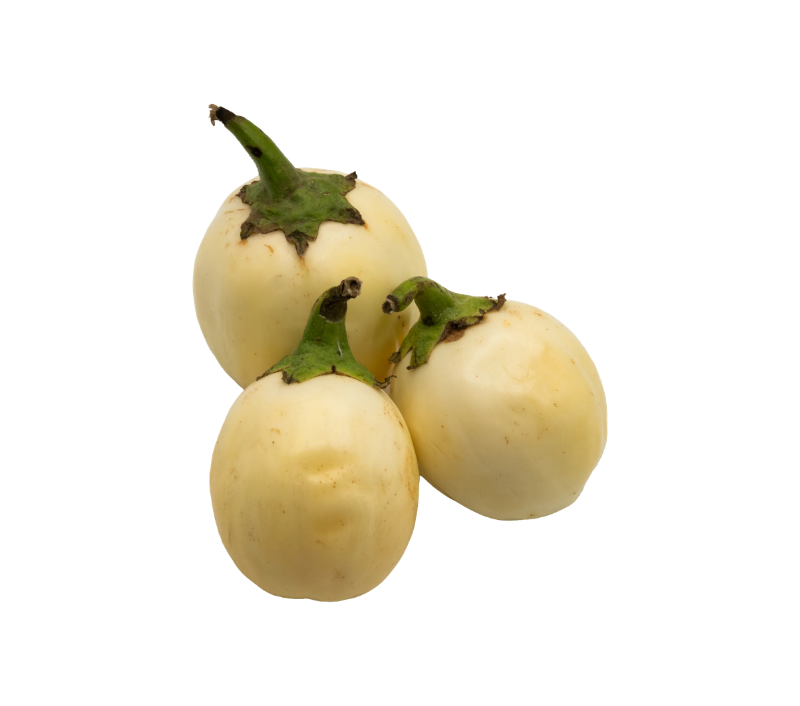
African eggplant
- Health. Fibre, vitamins, minerals and antioxidants for digestion, immunity and iron absorption.
- Climate. An affordable traditional vegetable suited to local farms.
- Food. Eaten raw like a fruit or cooked in soups, sauces and stews.
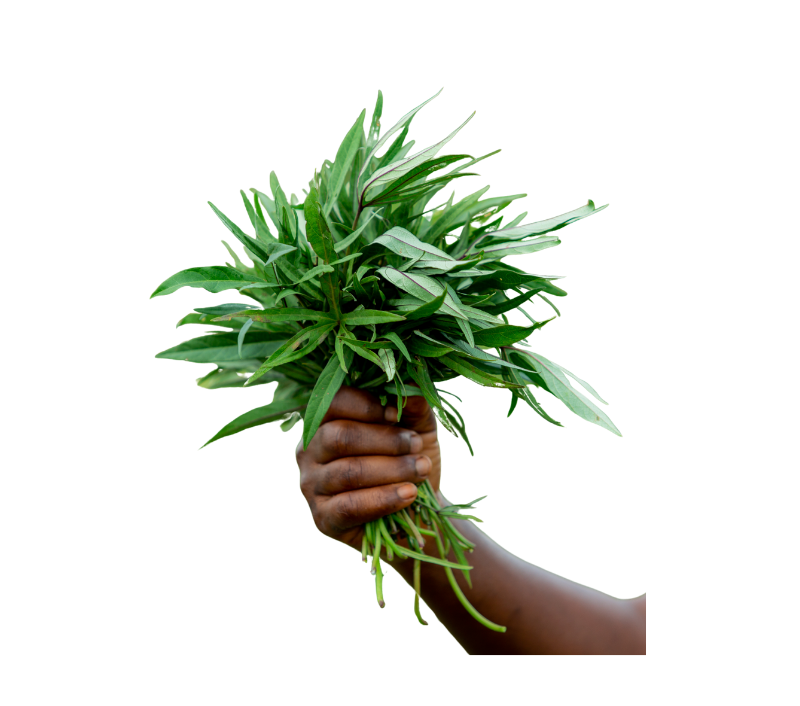
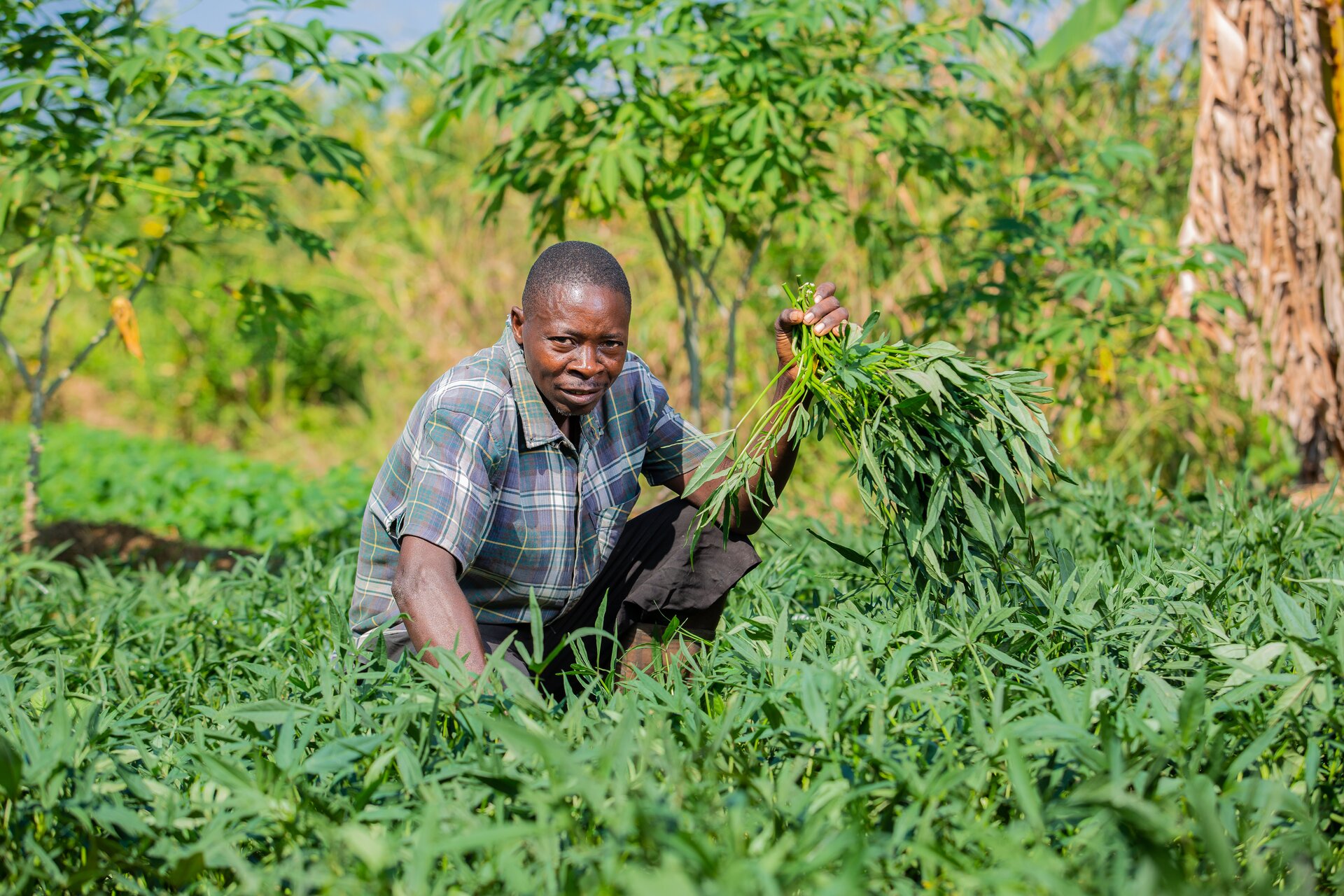
Sweet potato leaves
- Health. A leafy vegetable rich in vitamins and minerals for everyday nutrition.
- Climate. Grows readily in household plots with modest water and care.
- Food. Commonly cooked as part of family meals.
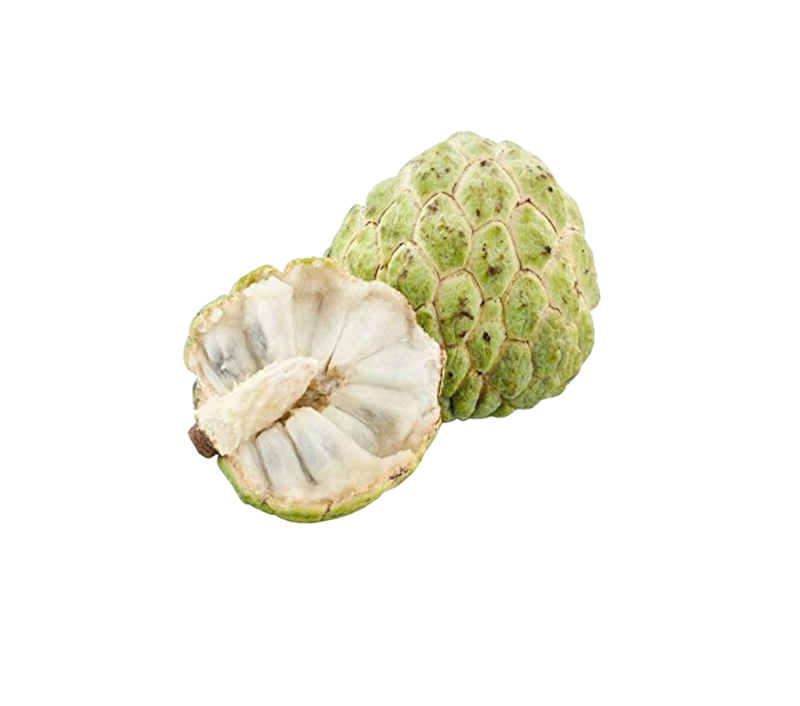
Sugar apple
- Health. A traditional fruit that supplies vitamins and minerals.
- Climate. A local fruit tree that supports dietary diversity.
- Food. Eaten fresh; also useful for household income.
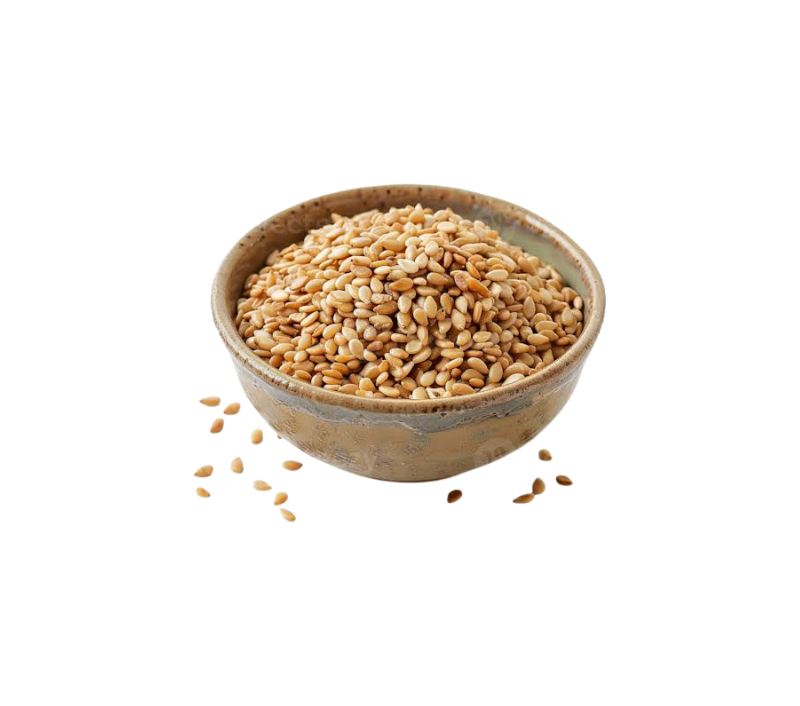
Sesame
- Health. Protein, healthy fats, fibre, calcium, iron and zinc for bones, blood, immunity and heart health.
- Climate. A traditional oilseed that copes with dry growing conditions.
- Food. Used in snacks, flour, porridge, cooking oil and sesame milk.
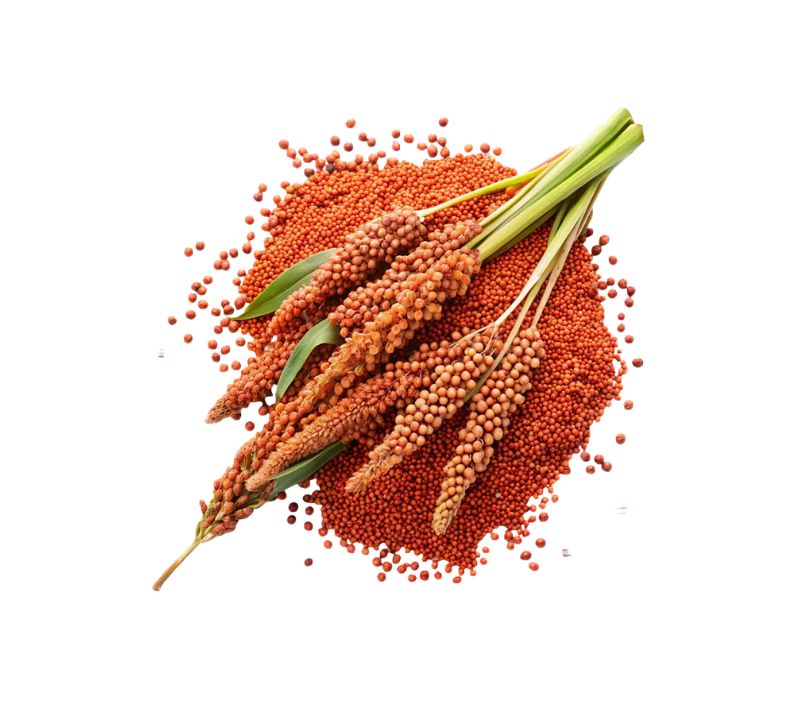
Finger millet
- Health. Calcium, iron and fibre, with slow energy release — useful for children and people managing diabetes.
- Climate. A traditional grain that supports household food security.
- Food. Eaten as a whole grain or milled for porridge, ugali and local foods.
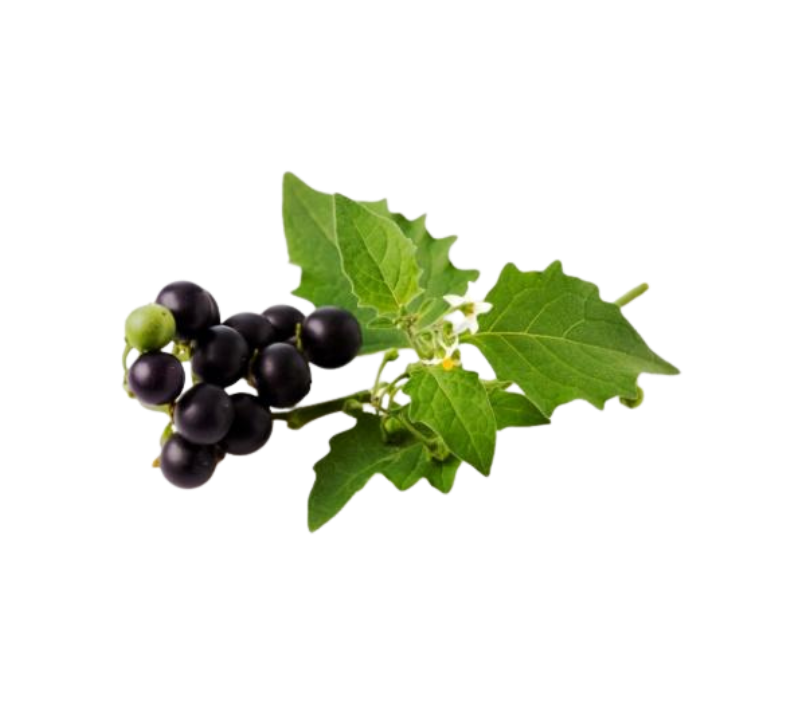
African nightshade
- Health. Iron, protein, vitamins and minerals for blood, bones, immunity and healthy growth.
- Climate. A traditional leafy vegetable for local gardens.
- Food. Cooked on its own or with okra, meat, eggplant, carrots and coconut milk.
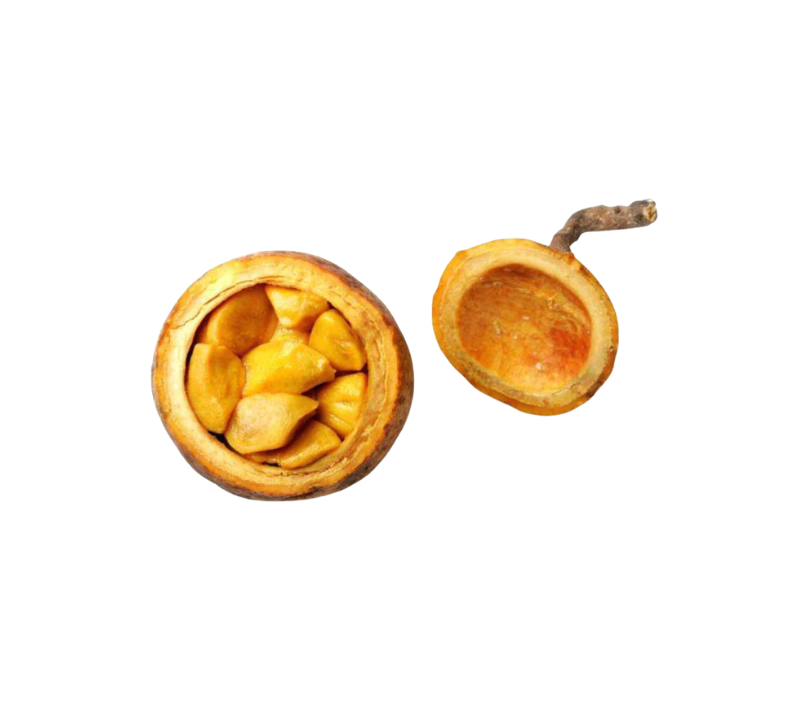
Bungo fruit
- Health. An indigenous fruit that adds vitamins and variety to local diets.
- Climate. A culturally rooted fruit tree adapted to Tanzanian landscapes.
- Food. Eaten locally and valued for dietary diversity.
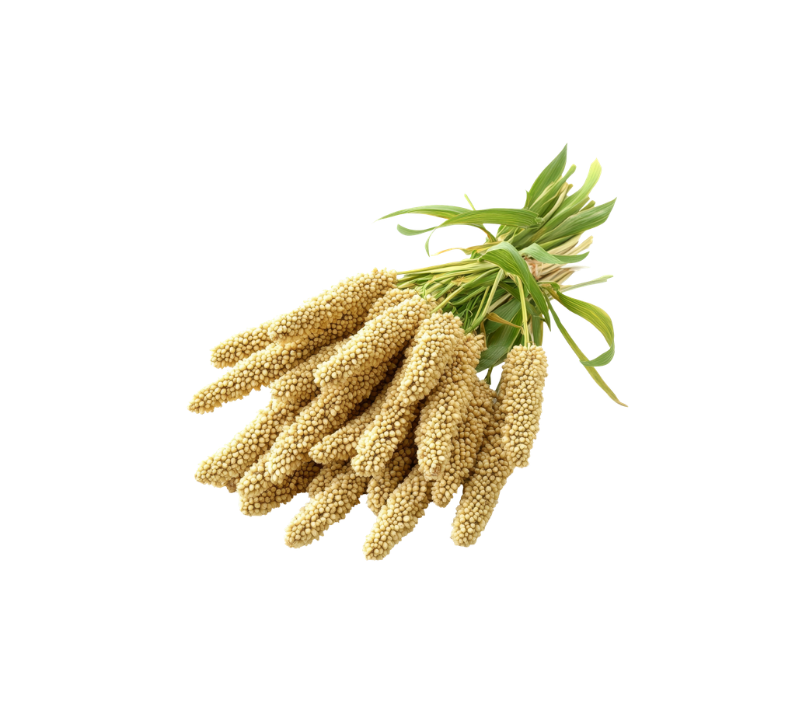
Pearl millet
- Health. Energy, fibre, iron and essential minerals for everyday meals.
- Climate. A hardy cereal for arid and semi-arid areas.
- Food. Eaten as porridge, ugali, or mixed with other flours.
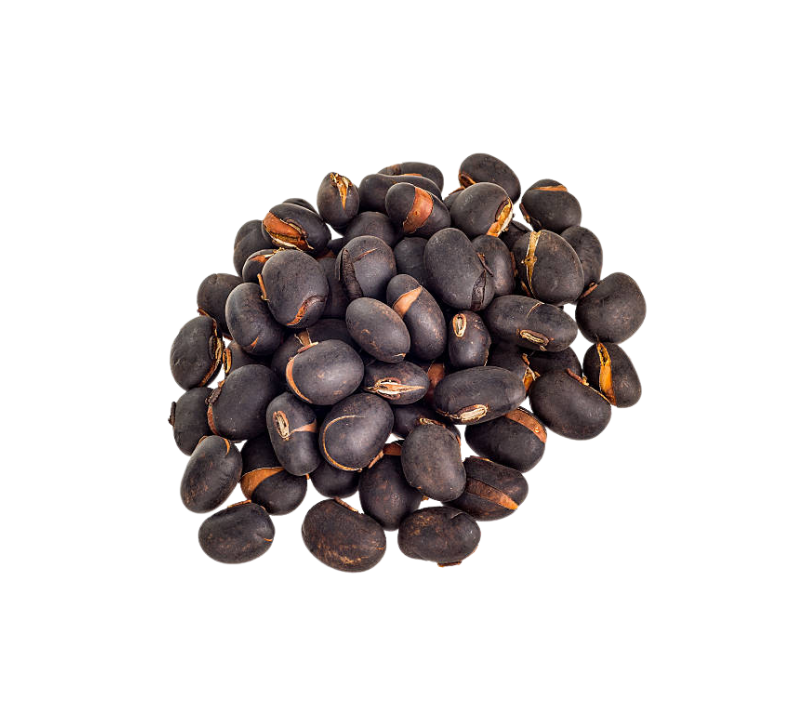
Velvet beans
- Health. Protein and energy when the beans are properly processed.
- Climate. Fixes nitrogen in the soil, supporting more resilient farming systems.
- Food. Used for food, soil improvement and animal feed.
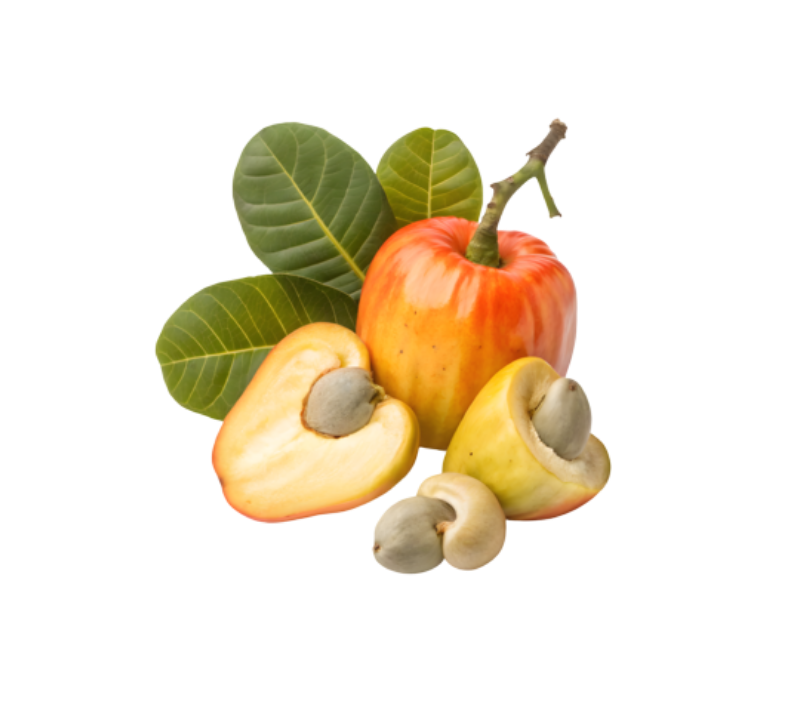
Cashew Apple
- Health. Vitamin C, antioxidants and natural sugars from an underused fruit.
- Climate. Makes use of fruit that already grows on cashew trees.
- Food. Eaten fresh or processed into juices, jams and dried products.
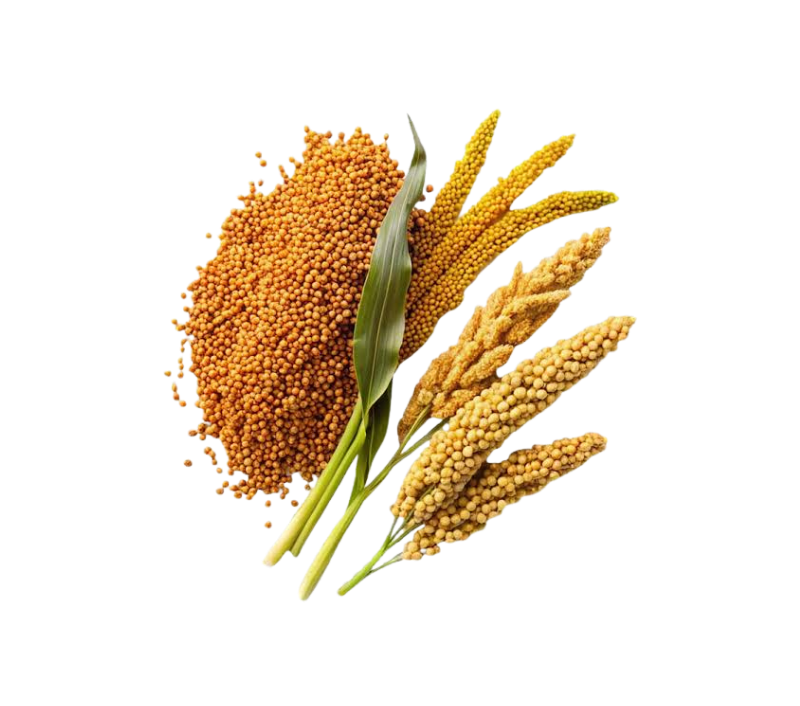
Sorghum
- Health. Energy, fibre, antioxidants, iron and zinc for digestion and lasting energy.
- Climate. Drought-tolerant cereal for dry areas, with low input needs.
- Food. Eaten as porridge, ugali, flatbreads or fermented foods.

Amina Hassan

Grace Mkumbo

Juma Mwinyi
Neema Saidi

Fatuma Juma
